
Introduction
Sports have always been a powerful way for people to overcome barriers, represent their communities, and inspire future generations. Across baseball, boxing, basketball, soccer, tennis, golf, swimming, and many other disciplines, athletes with Hispanic heritage have made remarkable contributions to the sporting world. Their achievements extend far beyond medals, championships, records, and trophies. Many have also become cultural icons whose stories demonstrate determination, talent, and resilience.
The term Hispanic generally refers to people connected to Spanish-speaking countries or cultures. Hispanic athletes come from a wide variety of backgrounds, including the United States, Mexico, Puerto Rico, Cuba, the Dominican Republic, Venezuela, Spain, and other Spanish-speaking communities. Their journeys into professional sports are equally diverse.
From baseball legends who transformed Major League Baseball to soccer stars who became global celebrities, these competitors have helped reshape the history of modern sports. Understanding their careers provides a broader view of how athletic excellence can influence culture and society.
The History of Hispanic Athletes in Sports
Early Barriers and Breakthroughs
The history of Hispanic participation in professional sports includes both outstanding achievements and significant challenges. During earlier generations, athletes from Hispanic communities sometimes faced discrimination, limited opportunities, language barriers, and unequal access to professional organizations.
Baseball became one of the most important sports for Hispanic players, particularly because of its deep connections with Latin American countries and the Caribbean. Players from Puerto Rico, Cuba, the Dominican Republic, Venezuela, and other regions gradually established themselves in professional leagues.
As more athletes succeeded, they created opportunities for younger generations. Their accomplishments demonstrated that talent could cross cultural and geographic boundaries.
Roberto Clemente’s Historic Influence
One of the most influential figures in baseball history was Roberto Clemente, the Puerto Rican star who played for the Pittsburgh Pirates. Clemente was an exceptional right fielder, a four-time batting champion, and a 15-time All-Star.
His importance went beyond statistics. Clemente was known for humanitarian work and his commitment to helping people affected by poverty and natural disasters. His legacy remains especially powerful because he used his fame to advocate for human dignity and community support.
His career helped establish an enduring connection between professional baseball and Hispanic communities.
Hispanic Athletes Who Changed American Sports
Baseball’s Lasting Hispanic Legacy
Baseball has arguably provided one of the strongest platforms for Hispanic players in American professional sports. Generations of players have reached the highest levels of Major League Baseball and become household names.
Players such as David Ortiz, Alex Rodriguez, Iván Rodríguez, Pedro Martínez, and Sammy Sosa achieved extraordinary success. They demonstrated different styles of play while contributing to the growing international character of professional baseball.
David Ortiz, commonly known as “Big Papi,” became famous for his powerful hitting and postseason performances with the Boston Red Sox. His personality and leadership made him one of the most recognizable baseball players of his generation.
Alex Rodriguez became one of baseball’s most productive offensive players, collecting hundreds of home runs and numerous awards during his career. Iván Rodríguez, meanwhile, became celebrated as one of the greatest defensive catchers in baseball history.
Hispanic Influence in Boxing
Boxing has also produced numerous champions with Hispanic heritage. Mexico, Puerto Rico, Cuba, and other Spanish-speaking regions have developed strong boxing traditions.
Oscar De La Hoya became one of the most recognizable American boxers of his generation. Known as the “Golden Boy,” he won multiple world championships in different weight classes and helped increase mainstream interest in professional boxing.
Mexican and Puerto Rican boxing traditions have also produced generations of champions whose aggressive styles, technical ability, and determination attracted millions of fans.
Hispanic Athletes in Soccer
Lionel Messi and Global Football
Soccer has provided another major platform for Hispanic sporting talent. Lionel Messi, born in Argentina, is widely regarded as one of the greatest footballers in history. His extraordinary dribbling, passing, creativity, and goal-scoring ability helped him achieve success at both club and international levels.
Messi’s career illustrates the increasingly global nature of modern soccer. His performances have attracted supporters from nearly every region of the world, while his international success with Argentina strengthened his place in football history.
The Importance of Latin American Soccer
Countries across Latin America have developed passionate soccer cultures. Argentina, Mexico, Colombia, Uruguay, Chile, and other nations have produced generations of players who compete in major leagues around the world.
These athletes often begin playing in local neighborhoods and youth academies before moving into professional clubs. Their journeys show how strong sporting traditions can create pathways from local communities to international competition.
Hispanic Women in Sports
Breaking Barriers Through Excellence
Women have played an increasingly important role in the growth of Hispanic representation in sports. Female competitors have achieved major success in basketball, tennis, golf, swimming, athletics, and other disciplines.
Diana Taurasi is one of the most successful basketball players associated with Hispanic heritage. Born in California to an Argentine father and Italian mother, Taurasi developed into a legendary basketball player. Her professional career, international achievements, and competitive mentality helped establish her as one of the sport’s defining figures.
Lorena Ochoa also made history in golf. The Mexican golfer became one of the leading players in women’s professional golf and reached the top of the world rankings. Her success inspired young golfers throughout Mexico and Latin America.
The Role of Hispanic Athletes in the Olympics
Representation on the International Stage
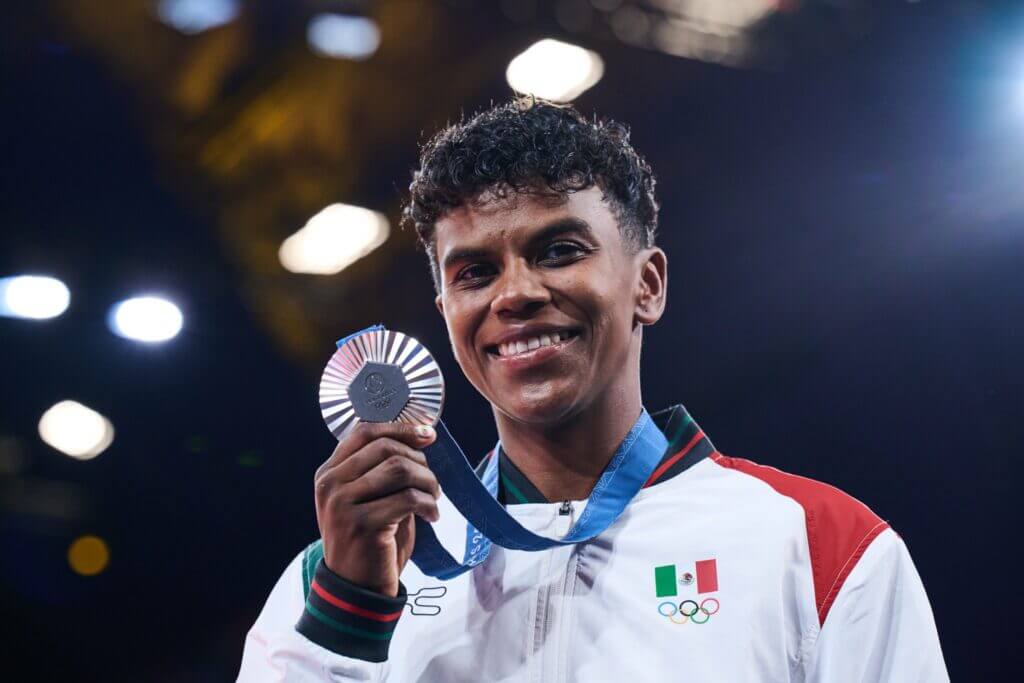
The Olympic Games have provided another important stage for athletes from Hispanic communities. Competitors representing Spain, Mexico, Puerto Rico, Cuba, Argentina, Colombia, and numerous other nations have won medals and established national records.
Olympic participation is significant because athletes represent both themselves and their countries. Their performances can inspire children who see someone with a similar cultural background competing at the highest international level.
Sports such as boxing, athletics, swimming, gymnastics, cycling, and soccer have all benefited from strong Hispanic participation.
Challenges Faced by Hispanic Athletes
Access and Opportunity
Although representation has grown considerably, opportunities have not always been equal. Young athletes from low-income communities may struggle to afford coaching, equipment, transportation, competition fees, or specialized training.
These challenges can affect whether talented young competitors are able to continue pursuing sports.
Language and Cultural Barriers
Athletes who move between countries can also encounter language and cultural differences. Adjusting to a new training environment, education system, professional organization, or media culture can require considerable effort.
Successful athletes often become examples of how cultural identity can remain an important part of a person’s story while they adapt to international competition.
Why Hispanic Representation Matters
Inspiring the Next Generation
Representation matters because young people are more likely to imagine themselves achieving something when they see successful people from similar backgrounds.
The careers of Clemente, Ortiz, Messi, Taurasi, Ochoa, De La Hoya, and many others provide different examples of achievement. Some became champions, others became leaders, and some used their influence for charitable or community causes.
Expanding the Sporting World
The growing presence of Hispanic competitors has also made professional sports more international. Baseball organizations increasingly recruit talent from Latin America, while soccer has long operated across national borders.
This international exchange improves competition and gives fans opportunities to experience different playing styles, traditions, and sporting cultures.
The Future of Hispanic Athletes
The future looks promising as youth programs, professional academies, schools, and international sporting organizations create more opportunities for young competitors.
Technology is also changing athletic development. Video analysis, wearable devices, specialized nutrition, performance tracking, and online coaching can help athletes improve their skills and understand their performance more effectively.
However, talent development requires more than technology. Access to quality facilities, experienced coaches, education, financial support, and safe environments remains essential.
Conclusion
The story of Hispanic athletes is much larger than a list of famous names. It is a story of talent, perseverance, cultural identity, opportunity, and transformation. From Roberto Clemente’s extraordinary baseball career and humanitarian legacy to Lionel Messi’s global soccer achievements, these competitors have influenced both their sports and the communities that celebrate them.
Women such as Diana Taurasi and Lorena Ochoa have further demonstrated the importance of representation by reaching the highest levels of competition. Meanwhile, countless emerging athletes continue to build on the foundations created by previous generations.
As professional sports become increasingly international, Hispanic competitors will continue to play an important role. Their achievements remind fans that sporting greatness can come from every culture, country, and community. More importantly, their stories can encourage young people to pursue their ambitions, overcome obstacles, and believe that their background can be a source of strength rather than a limitation.