
Introduction
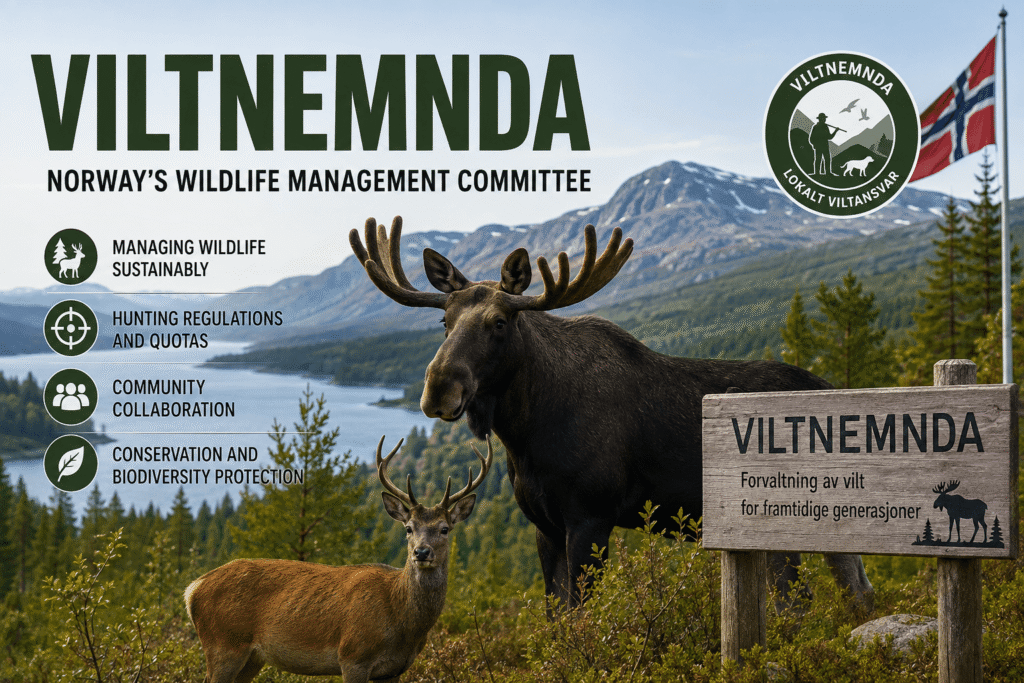
Wildlife management is an essential part of preserving nature while allowing people to coexist with animals responsibly. In Norway, one of the key organizations responsible for this balance is Viltnemnda. Although the term may not be familiar to people outside Scandinavia, it plays a significant role in local environmental governance, wildlife conservation, hunting regulation, and sustainable resource management.
This committee serves as a bridge between national wildlife laws and local communities. It works closely with municipalities, hunters, landowners, environmental authorities, and residents to ensure that wildlife populations remain healthy while minimizing conflicts between humans and animals.
In this comprehensive guide, you will learn what viltnemnda is, how it functions, its legal responsibilities, why it is important, and how it contributes to Norway’s internationally recognized wildlife conservation efforts.
What Is Viltnemnda?
Viltnemnda is a Norwegian municipal wildlife management committee responsible for overseeing wildlife-related matters within a local municipality. The word itself combines two Norwegian words:
- Vilt – Wildlife or wild game
- Nemnda – Committee or board
Together, the term refers to a committee appointed by local municipalities to manage wildlife according to Norwegian environmental laws.
Rather than acting as a national authority, the committee focuses on local issues while following policies established by the Norwegian government.
History of Viltnemnda
Norway has a long history of protecting natural resources. Hunting has traditionally been an important part of Norwegian culture, but as wildlife populations changed over time, the government introduced structured management systems.
Municipal wildlife committees were established to ensure that wildlife resources could be managed sustainably. Their responsibilities have gradually evolved alongside new environmental legislation, biodiversity goals, and conservation strategies.
Today, many municipalities continue to use these committees, while some have transferred their duties to other municipal councils or environmental boards.
Viltnemnda and Norwegian Wildlife Laws
Legal Foundation
The committee operates under Norwegian wildlife legislation, environmental regulations, and biodiversity policies.
Its responsibilities include implementing national wildlife objectives at the municipal level while considering local environmental conditions.
The legal framework focuses on:
- Wildlife conservation
- Sustainable hunting
- Habitat protection
- Biodiversity preservation
- Public safety
Main Responsibilities of Viltnemnda
The committee performs numerous important tasks related to wildlife management.
Wildlife Population Monitoring
One of the committee’s primary responsibilities is monitoring wildlife populations within the municipality.
This includes observing species such as:
- Moose
- Red deer
- Roe deer
- Wild reindeer
- Foxes
- Beavers
- Various bird species
Population data helps authorities make informed decisions regarding conservation and hunting.
Hunting Management
Responsible hunting is one of the committee’s major duties.
The committee helps determine:
- Hunting seasons
- Hunting quotas
- Population targets
- Sustainable harvest levels
These decisions ensure that hunting does not threaten wildlife populations while supporting local traditions.
Habitat Conservation
Healthy habitats are essential for wildlife survival.
The committee works to protect:
- Forest ecosystems
- Wetlands
- Mountain habitats
- River valleys
- Natural migration routes
Habitat protection also supports biodiversity and ecological balance.
Managing Human-Wildlife Conflicts
Wild animals occasionally come into conflict with people.
Examples include:
- Moose entering roads
- Deer damaging crops
- Predators attacking livestock
- Wildlife entering residential areas
The committee cooperates with local authorities to reduce these conflicts through practical management solutions.
How Viltnemnda Makes Decisions
Data Collection
Before making decisions, the committee gathers information from multiple sources.
These include:
- Wildlife surveys
- Population estimates
- Hunting reports
- Scientific research
- Local observations
- Environmental agencies
Reliable information helps create balanced wildlife policies.
Public Consultation
Many municipalities encourage dialogue with:
- Hunters
- Farmers
- Landowners
- Environmental organizations
- Local residents
This collaborative approach ensures that different perspectives are considered.
Cooperation with Government Agencies
The committee works closely with regional and national environmental authorities.
Together they coordinate:
- Conservation projects
- Hunting regulations
- Wildlife monitoring
- Biodiversity programs
Species Commonly Managed by Viltnemnda
Norway is home to diverse wildlife.
Some of the most important species managed locally include:
Moose
Moose are Norway’s largest land mammals and require careful population management to reduce traffic accidents and forest damage.
Red Deer
Red deer populations have grown significantly in recent decades, requiring regular monitoring.
Roe Deer
These smaller deer are widespread throughout southern Norway.
Wild Reindeer
Wild reindeer are considered an important conservation species because Norway hosts some of Europe’s remaining wild populations.
Beaver
Beavers contribute positively to ecosystems but sometimes create flooding issues.
Large Predators
Depending on the municipality, wildlife management may involve:
- Wolves
- Lynx
- Wolverines
- Brown bears
These species receive special protection under Norwegian law.
Why Viltnemnda Is Important
Protecting Biodiversity
Healthy ecosystems depend on balanced wildlife populations.
The committee helps preserve biodiversity by preventing both overhunting and uncontrolled population growth.
Supporting Sustainable Hunting
Hunting remains an important cultural tradition in Norway.
Proper management ensures that future generations can continue this tradition without harming wildlife populations.
Promoting Public Safety
Large animals crossing roads can cause serious traffic accidents.
The committee supports measures that reduce these risks through monitoring and population management.
onserving Natural Resources
Norway’s forests, mountains, and wetlands provide valuable habitats.
Protecting wildlife also protects these ecosystems for future generations.
Challenges Facing Viltnemnda
Modern wildlife management involves several challenges.
Climate Change
Changing temperatures affect:
- Migration patterns
- Food availability
- Breeding seasons
- Habitat quality
Wildlife managers must adapt to these changing conditions.
Urban Expansion
Growing cities reduce natural habitats and increase encounters between wildlife and humans.
This creates additional management responsibilities.
Disease Monitoring
Wildlife diseases can spread rapidly among animal populations.
Committees cooperate with veterinary authorities to monitor disease outbreaks and protect ecosystem health.
Balancing Different Interests
Hunters, conservationists, farmers, tourism operators, and local residents may have different priorities.
Finding balanced solutions requires careful planning and open communication.
The Role of Local Communities
Community involvement is essential for successful wildlife management.
Residents contribute by:
- Reporting wildlife sightings
- Participating in conservation programs
- Following hunting regulations
- Supporting habitat protection
- Respecting protected areas
Public cooperation improves decision-making and conservation outcomes.
Modern Technology in Wildlife Management
Today’s wildlife committees increasingly rely on technology.
Examples include:
GPS Tracking
Researchers monitor animal movements using GPS collars.
Drone Surveys
Drones help estimate wildlife populations across large areas.
Digital Reporting Systems
Hunters and local authorities can submit wildlife observations electronically.
Geographic Information Systems (GIS)
GIS mapping supports habitat planning and migration corridor analysis.
These tools improve the accuracy of wildlife management decisions.
Differences Between Viltnemnda and National Environmental Authorities
Although they work toward similar conservation goals, their responsibilities differ.
| Viltnemnda | National Authorities |
|---|---|
| Local decision-making | National policy development |
| Municipal wildlife management | Country-wide environmental strategy |
| Community engagement | National legislation |
| Local monitoring | International conservation cooperation |
| Hunting recommendations | Regulatory oversight |
Both levels work together to achieve sustainable wildlife management.
Future of Viltnemnda
Wildlife management continues to evolve as environmental challenges become more complex.
Future priorities are likely to include:
- Stronger biodiversity protection
- Improved climate adaptation
- Better digital monitoring systems
- Increased community participation
- Enhanced scientific research
- Sustainable ecosystem management
As Norway continues investing in environmental protection, municipal wildlife committees will remain an important part of local conservation efforts.
Frequently Asked Questions
What does Viltnemnda mean?
It is the Norwegian term for a municipal wildlife management committee responsible for local wildlife administration and conservation.
Is Viltnemnda a government organization?
It is a municipal committee appointed by local authorities that operates under Norwegian wildlife legislation.
Does Viltnemnda regulate hunting?
Yes. It helps manage hunting quotas, population targets, and sustainable wildlife harvesting according to national regulations.
Which animals does Viltnemnda manage?
The committee commonly manages moose, deer, wild reindeer, beavers, foxes, and, in some regions, protected large predators such as wolves, lynx, wolverines, and bears.
Why is Viltnemnda important?
It helps balance wildlife conservation, sustainable hunting, biodiversity protection, public safety, and responsible natural resource management.
Conclusion
Viltnemnda is a cornerstone of Norway’s local wildlife management system. By combining scientific research, environmental stewardship, community involvement, and sustainable hunting practices, it ensures that wildlife populations remain healthy while protecting the interests of people and nature alike.
Its work extends far beyond regulating hunting. From conserving habitats and monitoring biodiversity to addressing human–wildlife conflicts and adapting to climate-related challenges, the committee plays a vital role in preserving Norway’s rich natural heritage. As environmental priorities continue to evolve, viltnemnda will remain an essential part of responsible wildlife governance, helping maintain ecological balance for future generations.